Office Cleaning in W1: A Practical, Professional Approach to a Cleaner Workplace
Keeping a workplace clean is about much more than appearance. In a busy business district, office cleaning in W1 supports productivity, protects health, and helps create a positive impression the moment clients walk through the door. From reception areas and meeting rooms to kitchens, washrooms, and shared desks, a well-maintained office can influence how people work, how visitors feel, and how smoothly daily operations run.
W1 is home to a wide variety of businesses, including creative studios, financial firms, legal practices, consultancies, retailers, and co-working spaces. Each of these environments has different cleaning priorities, but all benefit from reliable, consistent, and detail-focused service. Whether you manage a small office or a multi-floor workspace, office cleaning W1 should be planned around hygiene, efficiency, and your team’s schedule.
In this article, we’ll look at what makes office cleaning in W1 so important, what a professional service should include, how to choose the right cleaning routine, and why tailored cleaning matters in one of London’s busiest areas.
Why Office Cleaning in W1 Matters

Clean workplaces do more than look neat. They can improve morale, reduce the spread of germs, and create a setting where staff can focus on work instead of clutter or mess. In central London, where offices often experience high footfall, frequent deliveries, and constant meetings, maintaining standards requires more than an occasional tidy-up. Office cleaning in W1 helps businesses stay presentable, safe, and organised every day.
Workplaces in W1 often serve clients, partners, and candidates in person, so the condition of the office is part of the brand experience. A polished reception desk, clean floors, streak-free glass, and fresh-smelling rooms all contribute to professionalism. In many industries, the office environment subtly communicates quality and attention to detail before anyone even says a word.
There are also practical benefits. Regular cleaning reduces dust build-up on surfaces and equipment, lowers the chance of unpleasant odours, and helps manage shared spaces such as kitchens and washrooms. For employers, investing in office cleaning W1 can also support employee wellbeing and reduce disruptions caused by untidy work areas.
What Professional Office Cleaning in W1 Typically Includes

A professional service should be flexible enough to match the size, layout, and use of your workplace. While every business has unique needs, most office cleaning in W1 packages include a mix of daily, weekly, and periodic tasks designed to keep the environment consistently hygienic.
Common tasks often include:
- Dusting desks, shelves, ledges, and high-touch points
- Vacuuming carpets and rugs
- Cleaning and mopping hard floors
- Wiping down reception areas and communal spaces
- Sanitising keyboards, phones, handles, and switches where appropriate
- Emptying bins and replacing liners
- Cleaning kitchens, tea points, and appliances
- Maintaining washrooms with disinfecting products and restocking supplies
- Removing fingerprints from glass and internal doors
- Spot-cleaning walls, skirting boards, and other visible surfaces
Some workplaces also need specialist office cleaning services such as carpet shampooing, deep sanitisation, end-of-tenancy cleaning, or window cleaning. If your premises have meeting rooms, breakout zones, or client-facing areas, these may need a higher level of attention than standard desk spaces.
The Benefits of Regular Office Cleaning for W1 Businesses

There is a strong link between workplace cleanliness and overall business performance. Regular office cleaning in W1 helps create an orderly environment that supports productivity, presentation, and comfort. Staff can concentrate better when their surroundings are clean and organised, and managers can feel confident that standards are being maintained.
Hygiene is another major advantage. Offices contain many shared touchpoints, and without routine cleaning these can quickly accumulate dirt and germs. High-traffic areas such as entrances, lift buttons, washrooms, communal kitchens, and conference rooms require particular attention. By keeping them clean, businesses can help reduce the spread of illness and promote a healthier working environment.
There are financial benefits too. Clean floors, carpets, furniture, and fittings tend to last longer when cared for properly. Dust and grime can wear down surfaces over time, while neglect can lead to stains, damage, or costly replacements. Consistent office cleaning W1 is a practical investment that supports both appearance and asset protection.
Additional business advantages include:
- Better first impressions for clients and visitors
- Improved staff satisfaction and morale
- Reduced clutter and improved organisation
- Lower risk of pest problems in food or waste areas
- More professional meeting and collaboration spaces
Why W1 Offices Need a Tailored Cleaning Plan
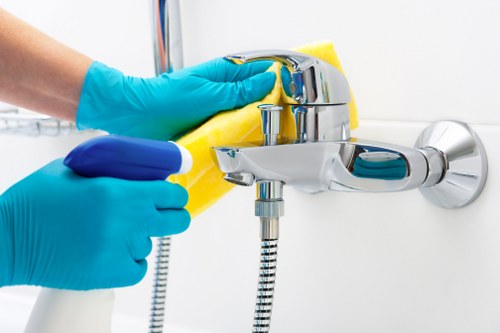
Not all workplaces are the same, and office cleaning in W1 should reflect that. A law firm’s office may need quiet, discreet cleaning outside working hours, while a creative studio might need more frequent cleaning in open-plan shared spaces. A retail head office, meanwhile, may have client areas that need a premium finish every day.
Location also matters. W1 includes busy commercial streets, transport links, and a constant flow of people. That means offices in the area can collect more dust, debris, and marks than quieter suburban spaces. Cleaning plans must therefore be realistic, regular, and responsive to changing demands.
A tailored approach should consider the type of flooring, the number of staff, visitor traffic, kitchen use, washroom volume, and whether the office operates late or over the weekend. A flexible office cleaning W1 service can be adapted around these needs rather than forcing a one-size-fits-all schedule.
Factors to consider when tailoring a cleaning plan:
- Size and layout of the office
- Number of employees and daily visitors
- Type of business and client expectations
- Hours of operation and security requirements
- Special surfaces or equipment that need careful cleaning
Office Cleaning in W1 and Workplace Hygiene Standards

Good hygiene standards are essential in every workplace, but especially in central business areas where people are coming and going all day. Office cleaning in W1 helps businesses maintain a consistently tidy environment that feels safe and professional. It is not just about making the office look spotless; it is about setting a standard that supports daily work.
Washrooms should be cleaned and checked regularly, sinks should be sanitised, and consumables such as soap, paper towels, and toilet tissue should be monitored. Kitchens should be kept free from food residue, spills, and overflowing bins. Desks and shared equipment should be cleaned in line with usage patterns and company policies.
High-touch areas need special care because they are touched frequently throughout the day. Door handles, light switches, lift buttons, bannisters, and shared devices can all become hotspots for bacteria and dirt. A well-planned office cleaning W1 routine should address these areas consistently to help maintain a healthier environment.
How Often Should Office Cleaning in W1 Be Scheduled?
The right cleaning frequency depends on the nature of your business, how many people use the space, and what kind of impression you want to maintain. Some workplaces require daily attention, while others may be suitable for a few scheduled visits each week. For many W1 businesses, a combination of daily cleaning and periodic deep cleaning provides the best balance.
For example, reception areas, kitchens, washrooms, and shared meeting rooms often need daily cleaning. Less frequently used spaces may be maintained several times a week. Carpets, upholstery, and hard-to-reach corners might only need deep cleaning on a monthly or quarterly basis. The key is to keep standards consistent rather than letting cleaning become reactive.
A good office cleaning W1 arrangement should feel seamless. Staff should arrive to clean desks, tidy floors, and fresh communal areas without having to manage the process themselves. This creates a better working rhythm and reduces the chances of cleaning tasks being overlooked.
Typical cleaning frequencies include:
- Daily: washrooms, kitchens, bins, floors, touchpoints, reception
- Weekly: glass surfaces, desks, skirting boards, shelving
- Monthly: deeper floor care, upholstery touch-ups, detailed dusting
- Quarterly: full deep cleans, carpet restoration, specialist tasks
Choosing the Right Office Cleaning Service in W1
Finding the right partner for office cleaning in W1 is about more than price. You need a service that understands commercial environments, can work discreetly, and can adapt to your schedule. Experience, reliability, communication, and consistency all matter when selecting a cleaning provider.
Look for a company that asks about your workplace in detail. A good provider should want to understand your floor plan, busy periods, sensitive areas, and any special requirements. They should also be able to explain what is included, how cleaners are supervised, and how quality is monitored.
It is also worth checking whether the team can handle both routine and specialist tasks. Many businesses prefer to use one provider for standard office cleaning W1 and periodic deep cleaning, because it simplifies planning and keeps the service consistent.
Questions to ask before hiring:
- Can the service be scheduled outside office hours?
- Are cleaning plans customised for different business types?
- How are standards checked and maintained?
- Do they provide eco-friendly options if needed?
- Can they support both regular cleaning and occasional deep cleans?
Eco-Friendly Office Cleaning in W1
Many businesses now want cleaning practices that are effective while also being more environmentally responsible. Office cleaning in W1 can include eco-friendly products, microfibre cloths, and techniques that reduce unnecessary waste without compromising hygiene. This is particularly appealing to companies that prioritise sustainability in their workplace policies.
Eco-conscious cleaning can involve using low-odour or biodegradable products, reducing disposable materials, and choosing methods that need less water or fewer harsh chemicals. In the right hands, these approaches can still deliver excellent results across desks, kitchens, glass, and floors.
For businesses in central London, using greener cleaning methods can also support brand values. Clients and employees increasingly notice whether a company takes sustainability seriously. Choosing office cleaning W1 with an environmentally aware approach can strengthen that message in a subtle but meaningful way.
Examples of greener cleaning practices:
- Using refillable dispensers where suitable
- Choosing low-VOC or eco-labeled products
- Reducing single-use cleaning materials
- Targeting areas that need cleaning instead of overusing chemicals
- Planning efficient routes and schedules to reduce waste
Office Cleaning Challenges Commonly Found in W1
Central London offices often face cleaning challenges that are not as common in quieter locations. With higher foot traffic, limited storage, shared access points, and mixed-use buildings, office cleaning in W1 often requires careful planning and quick adaptation. Cleaner teams may need to work around receptions, client meetings, security controls, or building management rules.
Some offices in W1 occupy period buildings with unusual layouts, which can make cleaning more complex. Others may feature modern glass partitions, open-plan areas, or premium finishes that need extra attention. Different materials and surfaces require different cleaning methods, so experience matters.
Another challenge is timing. Businesses often want cleaning to take place before staff arrive or after they leave, so the service must be dependable and discreet. A professional office cleaning W1 team should be able to work efficiently without disrupting day-to-day operations.
Common challenges include:
- Busy shared entrances and corridors
- Frequent use of meeting rooms
- Food and drink spill risks in kitchens
- Dust on technology and sensitive equipment
- Different surface types requiring specialist care
The Role of Deep Cleaning in Office Cleaning in W1
Routine cleaning keeps offices presentable, but deep cleaning goes further. It tackles areas that are not always covered in everyday schedules, helping restore freshness and remove built-up dirt. For many businesses, deep cleaning is an important part of a broader office cleaning in W1 plan.
Deep cleaning can include detailed floor care, sanitising overlooked surfaces, cleaning under furniture, refreshing kitchens, and addressing stubborn marks or stains. It is particularly useful after office refurbishments, seasonal changes, or periods of heavy use. In busy workplaces, it can make a noticeable difference to overall presentation and hygiene.
Some companies choose deep cleaning before major client visits, events, audits, or relocations. Others schedule it regularly to keep the workplace in top condition. Either way, deep cleaning supports the day-to-day benefits of office cleaning W1 by maintaining a higher standard over time.
When deep cleaning is especially useful:
- After a renovation or fit-out
- Before or after moving office
- During seasonal refreshes
- When wear and tear becomes visible
- Following periods of unusually heavy office use
How a Clean Office Supports Productivity and Focus
A tidy workspace can have a surprisingly strong effect on how people think and work. Clutter can cause distraction, make tasks feel more stressful, and reduce the sense of control employees have over their environment. In contrast, office cleaning in W1 helps create a calm, professional setting where people can concentrate more easily.
Clean desks and common areas also make collaboration easier. Staff are more likely to use meeting rooms, breakout spaces, and shared kitchens when these areas feel fresh and well maintained. That can improve communication and help teams work more efficiently.
Even simple improvements, such as keeping floors clean and bins emptied, can change how an office feels throughout the day. When cleaning is done properly, the entire workplace tends to feel lighter, brighter, and more organised. That is one of the biggest long-term advantages of consistent office cleaning W1.
Why Presentation Matters in W1 Offices
In W1, presentation matters because businesses often operate in competitive, high-visibility environments. Offices may host clients, investors, candidates, suppliers, or collaborators on a regular basis. A spotless workplace can support credibility, while a neglected one may raise doubts, even if the service or product itself is excellent.
This is why office cleaning in W1 is often viewed as part of business operations rather than a background task. The state of your reception, meeting rooms, and shared spaces contributes to how your business is perceived. Clean glass, polished surfaces, and fresh-smelling rooms create an impression of care and attention.
For many organisations, presentation also affects staff pride. People tend to look after spaces that are clean and orderly. That can lead to better habits overall, making the workplace easier to manage and more pleasant to use. It is a small detail with a big ripple effect, especially in a high-standard business area like W1.
Presentation improvements that matter most:
- Clear, tidy reception areas
- Streak-free internal glass and partitions
- Fresh washrooms and kitchens
- Dust-free shelving and furniture
- Clean floors without visible marks or debris
Making Office Cleaning in W1 Work for Your Business
The most effective cleaning arrangements are the ones built around real workplace needs. That means considering how the office is used, which areas matter most, and what level of cleaning helps the business run smoothly. Office cleaning in W1 should feel efficient, discreet, and dependable from the start.
It can help to map out priority zones, such as client-facing rooms, washrooms, kitchen spaces, and main circulation paths. From there, a cleaning schedule can be built that keeps those areas in top condition while also covering desks, storage, and less visible spaces. A sensible plan helps prevent both overcleaning and undercleaning.
As business needs change, the cleaning routine may need to change too. More staff, extra meetings, seasonal traffic, or new office layouts can all affect requirements. A responsive office cleaning W1 service should be able to adjust rather than forcing your workplace to fit a rigid model.
Best practices for getting the most from cleaning:
- Set clear priorities for high-use areas
- Review the schedule regularly
- Keep communication simple and direct
- Use periodic deep cleaning to support daily cleaning
- Match the cleaning routine to your office hours
Final Thoughts on Office Cleaning in W1
There is no doubt that office cleaning in W1 plays a major role in how businesses look, feel, and function. In a busy central London district, cleanliness supports first impressions, employee wellbeing, hygiene, and long-term workplace care. It also helps organisations maintain a professional image in a competitive environment where details matter.
From daily upkeep to deep cleaning and eco-friendly options, the right service should be tailored to your space and your working patterns. The best approach is one that keeps the office clean without causing disruption, while ensuring every important area receives the attention it needs. That is what makes office cleaning W1 such an essential part of modern business operations.
If your workplace would benefit from a more structured, reliable, and professional cleaning routine, now is the ideal time to act. Contact us today to discuss your office needs, or book your service now to keep your W1 workspace looking its best.